top of page

To enrich seniors' lives by promoting healthy brain, body & spirit
Search


Not All Carbs Are Equal. A 13-Year Study Of 202,000 Adults Linked Carb Quality To Dementia Risk.
By Paul E. Bendheim, MD — Founder of BrainSavers; board-certified neurologist and Clinical Professor of Neurology, University of Arizona College of Medicine – Phoenix; author of The Brain Training Revolution: A Proven Workout for Healthy Brain Aging Novau-Ferré N, Mateu-Fabregat J, Papagiannopoulos CK, Chalitsios CV, Panisello L, Markozannes G, Tsilidis KK, Bulló M, Papandreou C. "Glycemic index, glycemic load, and risk of dementia: a prospective analysis within the UK Bioban

Dr Paul Bendheim
33 minutes ago5 min read


Worried Your Phone Is Weakening Your Memory? A Study Of 411,000 Older Adults Suggests The Opposite
By Paul E. Bendheim, MD — Founder of BrainSavers; board-certified neurologist and Clinical Professor of Neurology, University of Arizona College of Medicine – Phoenix; author of The Brain Training Revolution: A Proven Workout for Healthy Brain Aging Benge JF, Scullin MK. "A meta-analysis of technology use and cognitive aging." Nature Human Behaviour, volume 9, pages 1405–1419, 2025. Many of us now keep everything in our phones: appointments, pills, a grandson's birthday. It's
Dr Paul Bendheim
Oct 124 min read


After 65, A Head Injury Was Linked To Higher Dementia Risk. Half Of Them Began With A Fall.
By Paul E. Bendheim, MD — Founder of BrainSavers; board-certified neurologist and Clinical Professor of Neurology, University of Arizona College of Medicine – Phoenix; author of The Brain Training Revolution: A Proven Workout for Healthy Brain Aging Huang YQ, Vyas MV, Bronskill SE, Li Z, Guan J, Hoang PM, Tam A, Bayley M, Vincent C, Straus SE, Watt JA. "Rate of incident dementia and care needs among older adults with new traumatic brain injury: a population-based cohort study
Dr Paul Bendheim
Oct 54 min read


The Myth That Your Brain Peaks At Forty
By Paul E. Bendheim, MD — Founder of BrainSavers; board-certified neurologist and Clinical Professor of Neurology, University of Arizona College of Medicine – Phoenix; author of The Brain Training Revolution: A Proven Workout for Healthy Brain Aging. Adapted from my conversation with host Nancy Margrit on The Practice Pulse, August 2026. A podcast host asked me recently which myth about the brain I would get rid of forever, if I could only pick one. I did not have to think ab
Dr Paul Bendheim
Sep 284 min read


They Exercised Three Hours A Week For Four Years. Look What Happened To Their Thinking.
A 48-month randomized trial of 674 older adults found that three hours of exercise a week held thinking and memory scores steady while the comparison group declined.
Dr Paul Bendheim
Aug 194 min read


Some 80-Year-Olds Remember Like 50-Year-Olds. It Isn't Their Genes.
Researchers compared 142 SuperAgers over 80 with 89 peers of ordinary memory and checked their DNA. Neither APOE nor three modern Alzheimer's risk scores could tell them apart.
Dr Paul Bendheim
Aug 54 min read


What You Expect From Aging May Shape How You Actually Age
A new 20-year Brandeis study shows that expecting to age well predicts fewer physical limitations and a longer life — because a positive outlook drives healthier habits.
Dr Paul Bendheim
Jul 234 min read


A Nightcap Before Bed? Here's What It Does to Your Aging Brain
BrainSavers founder Dr. Paul Bendheim and other neurologists explain how a nightly drink hurts your sleep and your aging brain — and four simple ways to protect it.

Craig Ullman
Jul 223 min read


A New Study Shows the Best Way to Protect Your Aging Brain
Most of us know that healthy habits are good for the brain. Eat well. Move more. Stay social. But here is a bigger question: does it work better to do all of these things together, as one organized program? A major new study says yes — and the results are hard to ignore.
Craig Ullman
Jul 213 min read


Brighter Days, Sharper Minds: Daytime Light Exposure And Dementia Risk
A large study of 87,577 adults followed for over 8 years found that people who received more bright light during the day had a lower risk of developing dementia over time. The researchers used wrist-worn devices to objectively measure both daytime and nighttime light exposure, not just self-reported “time outside.”
Dr Paul Bendheim
Jul 143 min read


Enhancing Cognitive Health: The Importance of Active Sitting
Most brain‑health advice says, “Sit less, move more.” That’s still true—but a major study shows something else is just as important: what you do while you’re sitting.
Researchers found that passive sitting, like zoning out in front of the TV, is linked to a higher risk of dementia—but mentally active sitting, like reading or using a computer, is linked to a lower risk.
Dr Paul Bendheim
Jun 254 min read


Mah Jongg and Community: A Strategy for Better Cognitive Health
An article in TC JewFolk highlights how Mah Jongg can support better cognitive health in older adults by combining mental challenge with social connection. The game is more than a pastime; it gives aging adults a way to stay engaged, think strategically, and build the kind of community that supports healthier brains and healthier lives.
With
Dr Paul Bendheim
Jun 171 min read


Ultra‑Processed Foods And Your Brain: What A New National Study Reveals About Dementia Risk
A new study in the American Journal of Public Health followed more than 5,000 older adults across the United States from 2013 to 2020 and asked a simple, powerful question: does eating more ultra‑processed foods change the risk of later cognitive problems or dementia? Ultra‑processed foods are the highly industrial products that dominate modern grocery aisles—think sugary drinks, packaged snacks and sweets, frozen pizzas, and many ready‑to‑eat items that rely on additives to
Dr Paul Bendheim
Jun 74 min read


Your Personality And Alzheimer's: What the New Science Tells Us
Here is something most people never think about: the way you handle stress — and how good you are at keeping promises to yourself — may actually affect your chances of getting Alzheimer's disease. A new research review published in Frontiers in Neurology looked at decades of studies on personality and brain health. The findings are eye-opening. And the good news? They point to things you can actually change.
Dr Paul Bendheim
May 274 min read


The Benefits of Quitting Smoking – Whatever Your Age
Extensive research demonstrates that quitting smoking provides significant health benefits for older adults, even for those who have smoked for decades. These benefits span mortality reduction, cognitive preservation, cardiovascular health, and quality of life.
Dr Paul Bendheim
May 182 min read


New ACSM Resistance Training Guidelines 2026: A Game-Changer After 17 Years
As the world’s top authority on sports medicine, the American College of Sports Medicine (ACSM) sets the global standard for fitness and clinical exercise advice. They have recently published new strength training guidelines that offer clear, proven advice for healthy adults. Updated after 17 years, these guidelines simplify workouts to build muscle and mobility for better brain and body health.
Dr Paul Bendheim
May 132 min read


The New Epidemic: Social Connection and Brain Health
Social connection is not a “nice-to-have” extra in life — it is as vital to our health as food, water, and sleep. Our relationships profoundly shape how long we live, how well our brains function, and how we feel day to day.
Dr Paul Bendheim
May 53 min read


Coffee, Tea, and Your Brain: What a New JAMA Study Means for You
A new study in the journal JAMA suggests that moderate drinking of caffeinated coffee or tea is linked to a lower risk of dementia and slightly better thinking skills over many years. This is encouraging news for many BrainSavers members who already enjoy a morning cup.
Dr Paul Bendheim
Apr 284 min read
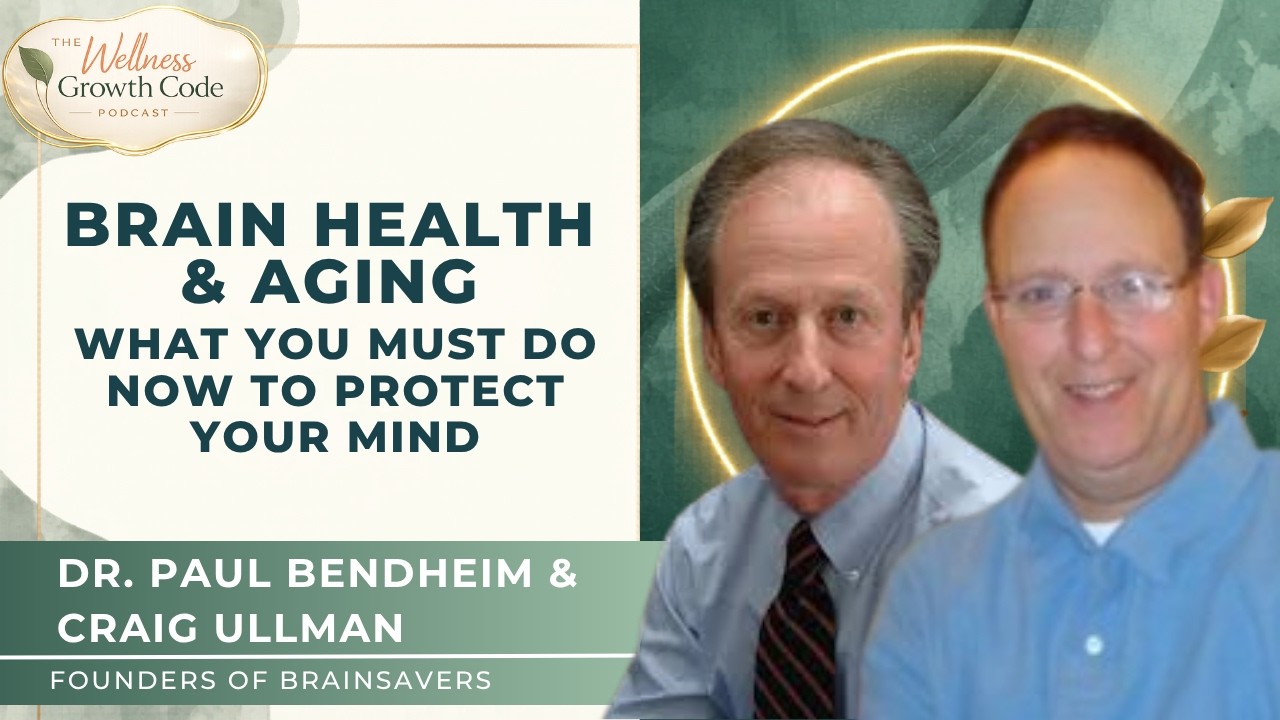
Dr. Bendheim Interviewed on the Wellness Growth Code Podcast on Brain Health and Aging
In this episode of the Wellness Growth Code, host Justine McKell welcomes neurologist Dr. Paul Bendheim and BrainSavers’ Craig Ullman to discuss the essentials of safeguarding your brain as you grow older.
Dr Paul Bendheim
Apr 231 min read


The Power of Friendship: Why Staying Connected Keeps Your Brain Young
As adults, it’s easy for life’s responsibilities—careers, families, health goals—to take priority over friendship. Yet, research shows our social lives play a major role in maintaining brain health and emotional well-being, especially as we age. Meaningful relationships aren’t just nice to have—they’re essential fuel for mental fitness.
Dr Paul Bendheim
Apr 202 min read
bottom of page