top of page

To enrich seniors' lives by promoting healthy brain, body & spirit
Search


They Exercised Three Hours A Week For Four Years. Look What Happened To Their Thinking.
A 48-month randomized trial of 674 older adults found that three hours of exercise a week held thinking and memory scores steady while the comparison group declined.

Dr Paul Bendheim
Aug 194 min read


You Made It To 90. A New Study Asks What Happens To Your Brain Next.
Most dementia research stops in the early eighties. A new Lancet Healthy Longevity study followed 805 adults who were already 90 or older — and found that risk does not level off, while the best-known Alzheimer’s risk gene did not predict who developed dementia.

Craig Ullman
Aug 104 min read


A Nightcap Before Bed? Here's What It Does to Your Aging Brain
BrainSavers founder Dr. Paul Bendheim and other neurologists explain how a nightly drink hurts your sleep and your aging brain — and four simple ways to protect it.
Craig Ullman
Jul 223 min read


A New Study Shows the Best Way to Protect Your Aging Brain
Most of us know that healthy habits are good for the brain. Eat well. Move more. Stay social. But here is a bigger question: does it work better to do all of these things together, as one organized program? A major new study says yes — and the results are hard to ignore.
Craig Ullman
Jul 213 min read


A New Study Says Exercise Can Make Your Brain Younger. I've Been Saying So for 25 Years.
Verywell Health asked BrainSavers founder Dr. Paul Bendheim about a new study where a year of regular aerobic exercise kept adults’ brains about a year younger on MRI. Here’s his take — and why he’s been saying it for 25 years.
Dr Paul Bendheim
Jul 173 min read


Brighter Days, Sharper Minds: Daytime Light Exposure And Dementia Risk
A large study of 87,577 adults followed for over 8 years found that people who received more bright light during the day had a lower risk of developing dementia over time. The researchers used wrist-worn devices to objectively measure both daytime and nighttime light exposure, not just self-reported “time outside.”
Dr Paul Bendheim
Jul 143 min read


Ultra‑Processed Foods And Your Brain: What A New National Study Reveals About Dementia Risk
A new study in the American Journal of Public Health followed more than 5,000 older adults across the United States from 2013 to 2020 and asked a simple, powerful question: does eating more ultra‑processed foods change the risk of later cognitive problems or dementia? Ultra‑processed foods are the highly industrial products that dominate modern grocery aisles—think sugary drinks, packaged snacks and sweets, frozen pizzas, and many ready‑to‑eat items that rely on additives to
Dr Paul Bendheim
Jun 74 min read


The Benefits of Quitting Smoking – Whatever Your Age
Extensive research demonstrates that quitting smoking provides significant health benefits for older adults, even for those who have smoked for decades. These benefits span mortality reduction, cognitive preservation, cardiovascular health, and quality of life.
Dr Paul Bendheim
May 182 min read


New ACSM Resistance Training Guidelines 2026: A Game-Changer After 17 Years
As the world’s top authority on sports medicine, the American College of Sports Medicine (ACSM) sets the global standard for fitness and clinical exercise advice. They have recently published new strength training guidelines that offer clear, proven advice for healthy adults. Updated after 17 years, these guidelines simplify workouts to build muscle and mobility for better brain and body health.
Dr Paul Bendheim
May 132 min read


The New Epidemic: Social Connection and Brain Health
Social connection is not a “nice-to-have” extra in life — it is as vital to our health as food, water, and sleep. Our relationships profoundly shape how long we live, how well our brains function, and how we feel day to day.
Dr Paul Bendheim
May 53 min read


Coffee, Tea, and Your Brain: What a New JAMA Study Means for You
A new study in the journal JAMA suggests that moderate drinking of caffeinated coffee or tea is linked to a lower risk of dementia and slightly better thinking skills over many years. This is encouraging news for many BrainSavers members who already enjoy a morning cup.
Dr Paul Bendheim
Apr 284 min read
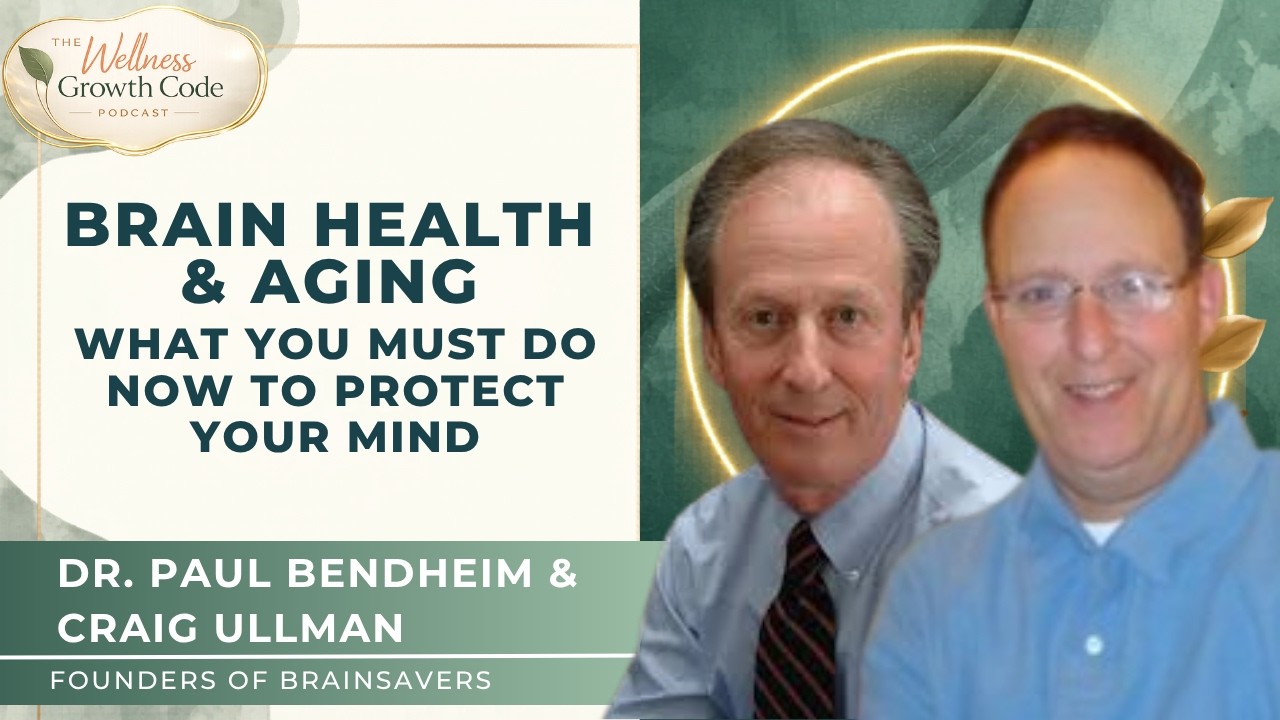
Dr. Bendheim Interviewed on the Wellness Growth Code Podcast on Brain Health and Aging
In this episode of the Wellness Growth Code, host Justine McKell welcomes neurologist Dr. Paul Bendheim and BrainSavers’ Craig Ullman to discuss the essentials of safeguarding your brain as you grow older.
Dr Paul Bendheim
Apr 231 min read


Sleep Deficiency: What It Is and How to Avoid It
At BrainSavers, we know sleep is a cornerstone of brain+body fitness. It sharpens memory, stabilizes mood, boosts focus, and protects against cognitive decline as we age. Yet sleep deficiency is all too common — and preventable.
Sleep deficiency occurs when you get too little sleep, sleep at irregular times, experience poor-quality sleep, or have an untreated sleep disorder. It is not just about feeling groggy; it impairs daily function and raises risks for serious health is
Dr Paul Bendheim
Apr 132 min read


Effective Exercises for Seniors: Senior Health Exercises Evidence and Programs
Maintaining physical activity is essential for older adults to preserve independence, improve our quality of life, and support cognitive health. As we age, our bodies and minds require specific types of exercise that address strength, balance, flexibility, and endurance.
In this blog post, I share practical insights into effective exercises, supported by scientific research. I will also highlight how these exercises can be safely incorporated into daily routines to promot
Dr Paul Bendheim
Apr 74 min read


Nutrition for Cognitive Health: Foods That Help Prevent Cognitive Decline
Maintaining cognitive health is a priority for many as they age. The brain, like any other organ, requires proper nourishment to function optimally. What we eat can significantly influence memory, focus, and overall brain performance. In this article, I explore the role of nutrition in supporting brain health and highlight specific foods that help prevent cognitive decline. Understanding these dietary choices empowers us to take proactive steps toward preserving mental sharpn
Dr Paul Bendheim
Apr 24 min read


Alzheimer’s: A Midlife Disease That Shows Up in Old Age
Most of us think of Alzheimer’s as something that “just happens” in our 70s or 80s. In reality, the changes that lead to Alzheimer’s usually begin quietly in midlife—often 20 to 30 years before the first noticeable memory problems. Understanding this earlier timeline is empowering because it means the choices you make in your 40s, 50s, and 60s can meaningfully influence your brain health later on.
Dr Paul Bendheim
Mar 303 min read


The Importance of Family Connection in Adolescence for Lifelong Social Health
A recent study followed U.S. adolescents into adulthood and discovered some important lessons for all of us. The study found that teens who felt more connected to their families were much more likely to report strong, satisfying social relationships in their 30s and 40s.
This study focuses on adolescent experiences, but its message is also important to older adults and those who care for them.
Dr Paul Bendheim
Mar 254 min read
bottom of page