top of page

To enrich seniors' lives by promoting healthy brain, body & spirit
Search


What You Expect From Aging May Shape How You Actually Age
A new 20-year Brandeis study shows that expecting to age well predicts fewer physical limitations and a longer life — because a positive outlook drives healthier habits.

Dr Paul Bendheim
Jul 234 min read


Enhancing Cognitive Health: The Importance of Active Sitting
Most brain‑health advice says, “Sit less, move more.” That’s still true—but a major study shows something else is just as important: what you do while you’re sitting.
Researchers found that passive sitting, like zoning out in front of the TV, is linked to a higher risk of dementia—but mentally active sitting, like reading or using a computer, is linked to a lower risk.
Dr Paul Bendheim
Jun 254 min read


Your Personality And Alzheimer's: What the New Science Tells Us
Here is something most people never think about: the way you handle stress — and how good you are at keeping promises to yourself — may actually affect your chances of getting Alzheimer's disease. A new research review published in Frontiers in Neurology looked at decades of studies on personality and brain health. The findings are eye-opening. And the good news? They point to things you can actually change.
Dr Paul Bendheim
May 274 min read


The New Epidemic: Social Connection and Brain Health
Social connection is not a “nice-to-have” extra in life — it is as vital to our health as food, water, and sleep. Our relationships profoundly shape how long we live, how well our brains function, and how we feel day to day.
Dr Paul Bendheim
May 53 min read
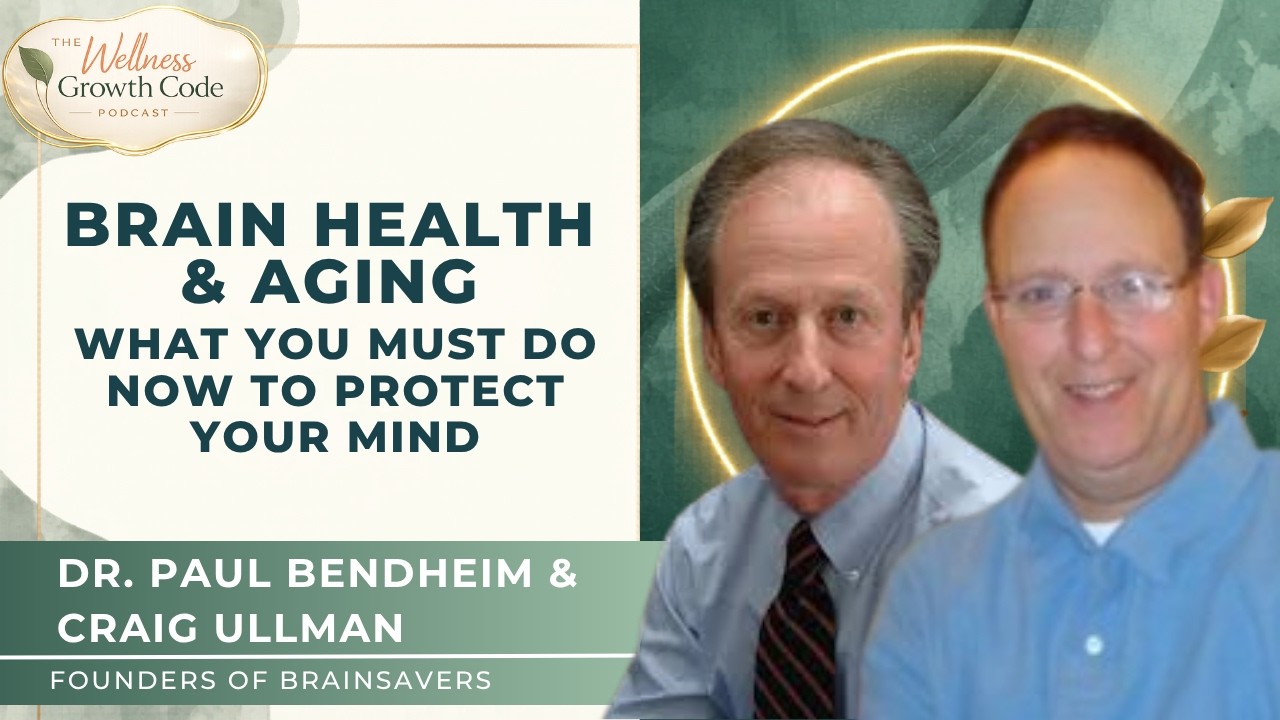
Dr. Bendheim Interviewed on the Wellness Growth Code Podcast on Brain Health and Aging
In this episode of the Wellness Growth Code, host Justine McKell welcomes neurologist Dr. Paul Bendheim and BrainSavers’ Craig Ullman to discuss the essentials of safeguarding your brain as you grow older.
Dr Paul Bendheim
Apr 231 min read


Small Changes Can Have a Big Impact on Your Healthspan
According to an exciting recent study, most older adults can meaningfully extend their healthspan—the years lived free of major chronic disease—by making very small, combined improvements in sleep, movement, and nutrition, rather than dramatic changes in any one area.
Dr Paul Bendheim
Mar 235 min read
bottom of page